



SOLLAZZO
ENSEMBLE
SOLLAZZO
ENSEMBLE
“The Sollazzo Ensemble brings these works vividly to life, distinguished by fresh, incisive music-making.”
medieval & Renaissance Music
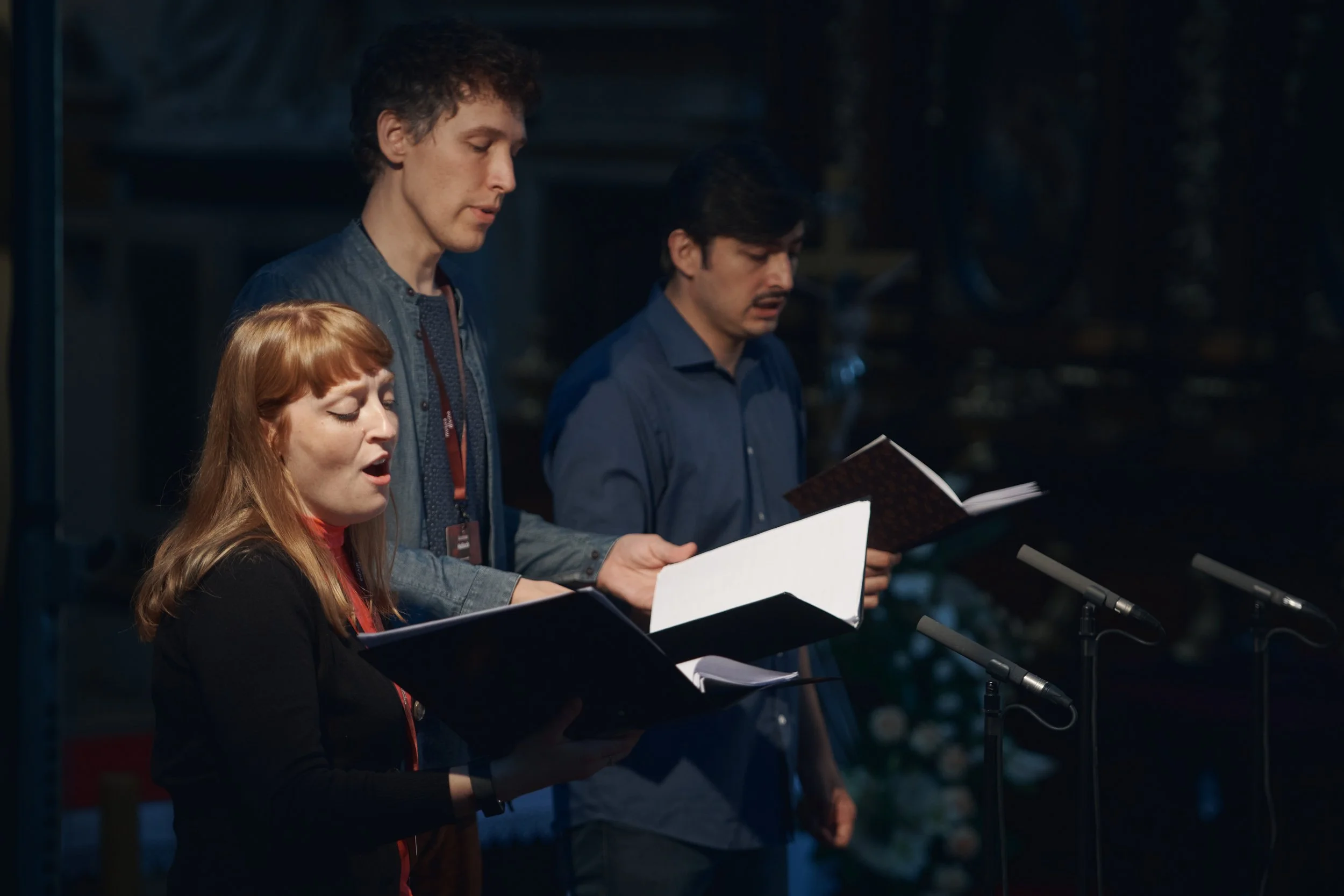
Sollazzo Ensemble is a critically acclaimed group dedicated to the performance of Medieval and Renaissance music. Founded in 2014 by Anna Danilevskaia, the ensemble is known for its highly expressive delivery and its distinctive sound and approach, shaped by the diverse musical backgrounds and personalities of its members. Drawing on historical repertoires and informed performance criteria, the group aims to convey emotions they have personally experienced or to express ideas that hold meaning for them. This process of appropriating historical artifacts through layers of rigorous creative work forms the basis of their communication with the public, as they seek to give each piece a voice that reflects the historical roots of the material as well as the ensemble’s unique vision.
Since its inception, Sollazzo has collaborated closely with leading European institutions in the field of heritage preservation. They are currently ensemble in residence at the Arsenal in Metz and participate in “The Makers” program at the Concertgebouw in Bruges. Their discographic debut, Parle qui veut – Moralizing Songs in the Middle Ages (Linn Records), followed their success at the York Early Music Competition in 2015, where they received both the NCEM Prize and the Cambridge Early Music Prize.
Their partnership with the Alamire Foundation led to the publication of the complete repertoire contained in the recently discovered Leuven Chansonnier, released across four volumes by Passacaille Records and Ambronay Editions between 2019 and 2024. They have been part of the EEEmerging Young Artists program - supported by Creative Europe - and collaborated with the CCR d’Ambronay as an associated ensemble from 2017 to 2020.
Sollazzo’s extensive and ever-growing discography is enriched by several recordings dedicated to repertoires from the 13th to the 15th centuries, which have earned distinctions such as the Diapason d’Or, Disc of the Year by The Arts Desk, Editor’s Choice by Gramophone, Critic’s Choice by De Standaard, CD of the Month by BBC Music Magazine, as well as the Diapason d’Or de l’Année in 2017 and 2021.
The ensemble maintains an active international concert schedule, performing at major festivals and venues across Europe, the USA, and Asia.
Supported by the Caisse des Dépôts, principal patron.



Artistic Direction
ARTISTIC DIRECTION
Artistic Direction
ARTISTIC DIRECTION
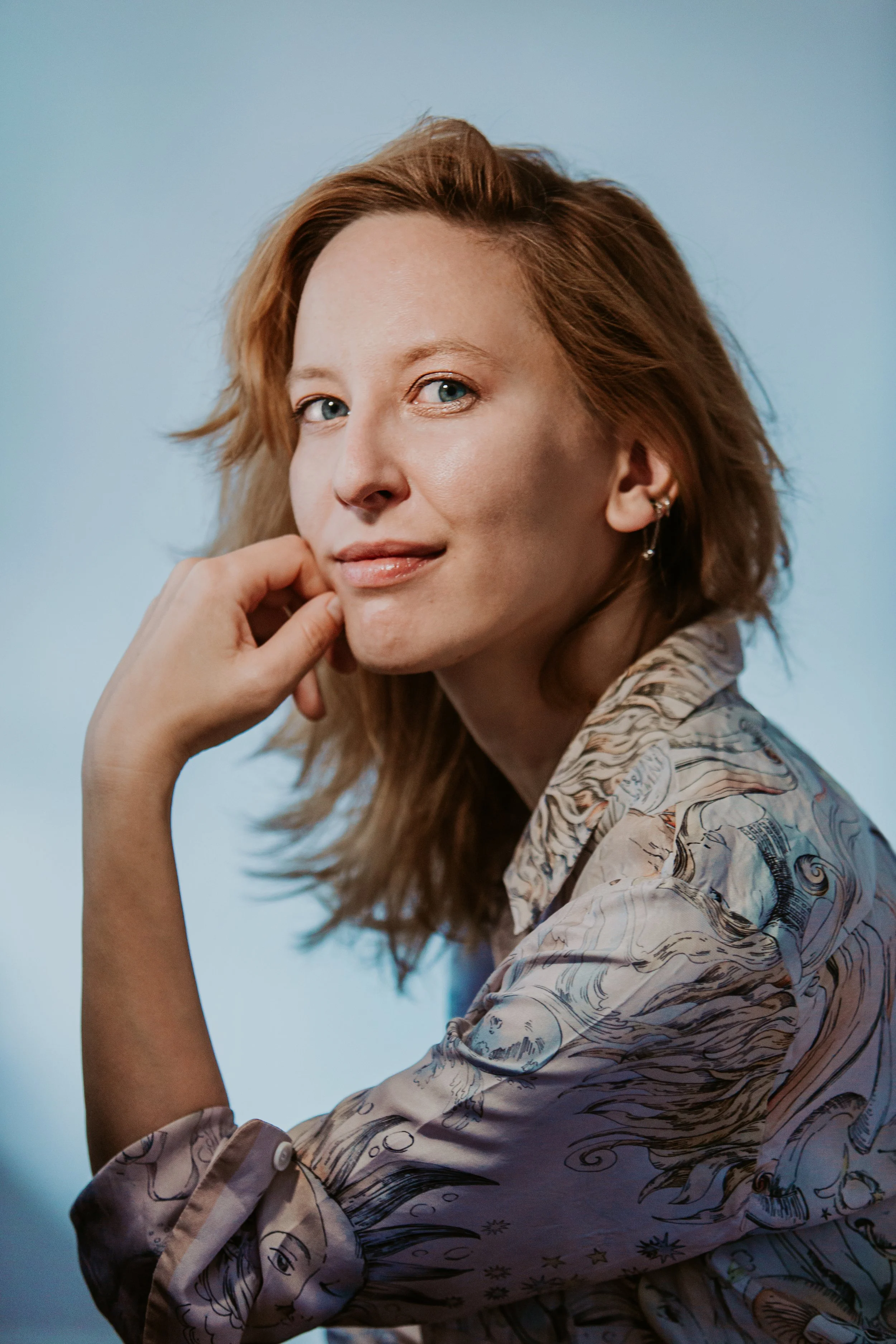
ANNA DANILEVSKAIA
Artistic director of Sollazzo Ensemble Anna Danilevskaia specialises in two rare instruments, the vielle and the vihuela de arco. She was born into a family of musicians and grew up in Metz, France, surrounded by the sounds of early music. Very early on, she became fascinated with the repertories of the Middle Ages and Renaissance, repertories that she now considers her natural musical language. After working with different early music ensembles, she founded Sollazzo Ensemble in 2014. With Sollazzo, Anna explores different ways to approach her chosen repertoire, which allows her to develop a musical language that critics have called “unique, daring and yet respectful.” Sollazzo Ensemble was awarded first prize, audience prize and Cambridge Early Music Prize at the York Competition in 2014, was a laureate of the eeemerging program, and has since maintained an active schedule of concerts and recordings. Sollazzo’s recordings have been awarded distinctions such as the Diapason d’Or de l’Année or Editor’s Choice of Gramophone. Anna is Artist in Residence at the Concertgebouw Bruges in the realm of “The Makers,” and Sollazzo is in residence at the Arsenal in Metz. Anna currently serves as artistic director of the MA Festival in Bruges.
Nouvelle page
Nouvelle page
PROGRAMS
PROGRAMS
secrets of a Fool
a Musical portrait of a jester

When we think about the Middle Ages, the image of a jester springs to mind: this emblematic character is one of the clichés associated with the medieval world. In this program, we reflect on the public and private voices of these artists: how does it feel to be on such thin ice, navigating between the role of entertainer and the risks one takes when criticizing others? How does the jester know when to push boundaries or with whom he can take off his mask? What happens when a jester is alone?
With origins in the sacred world, the jester became a political and social figure in the fourteenth century. In opposition to royal wisdom, his word is ironic, critical and, despite this, accepted. We can find similar characteristics in musical works, and the repertoire selected presents pieces that stand out through moralistic and critical texts paired with humorous rhetoric.
In this program, we aim to trace a portrait of an imaginary jester through a selection of deep and refined madrigals filled with metaphors, but also with simpler songs in which quick wittiness overpowers any other aspect.
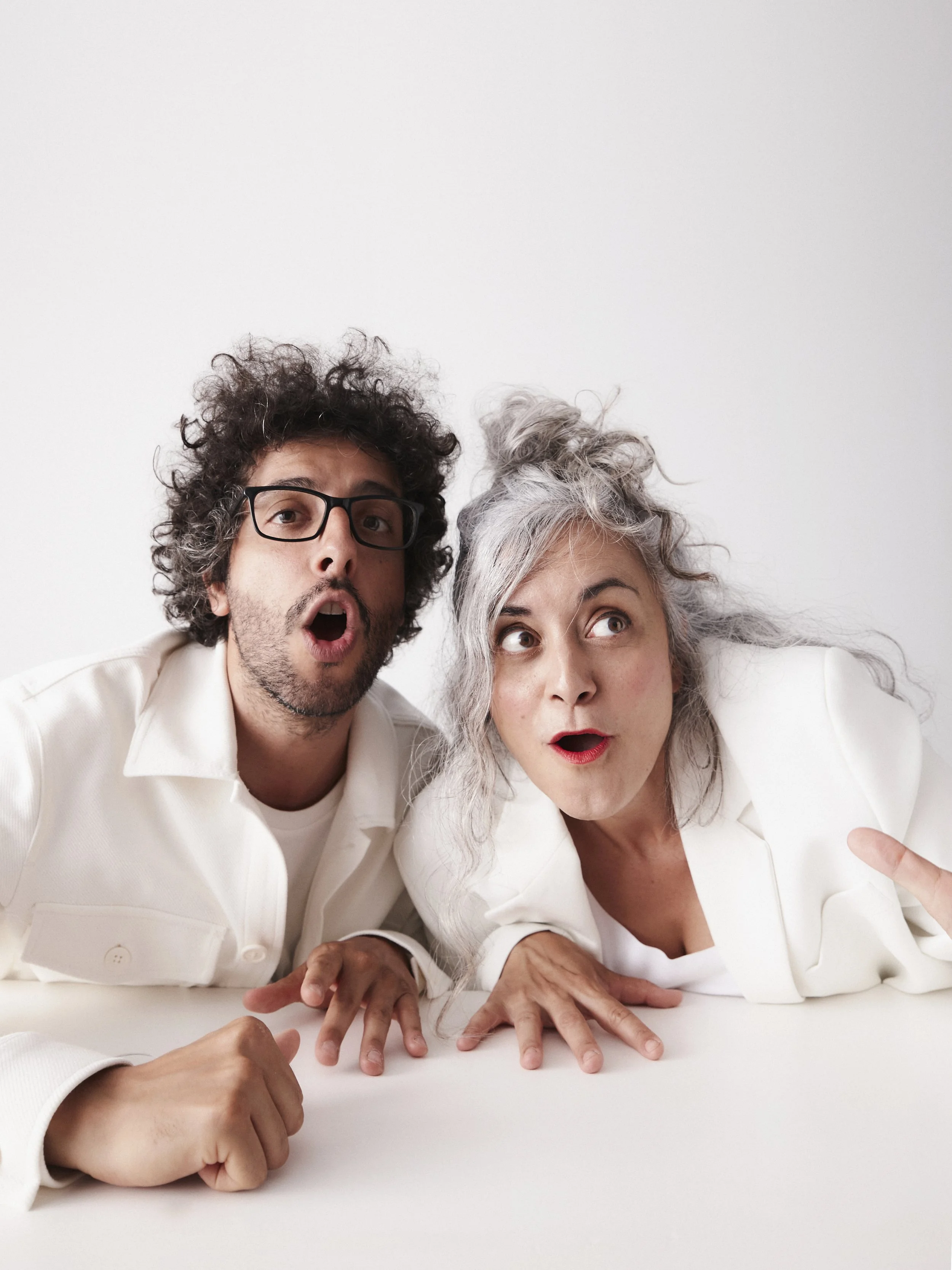
We’re not living in the middle ages !
“What do you want to be when you grow up?” adults ask the protagonist of this show over and over again. “I'll be a knight and a dad,” replies the child whom the world sees as a little girl. Their determination is such that a miracle occurs, and suddenly eras blend together, unusual instruments appear, and our protagonist and the audience are transported to another era.
The musical theater duo ual.la, emerging as a notable presence in the musical theater world and known for its inventive use of everyday props, joins forces with the musicians of Sollazzo to lead children and parents through this story with empathy, humor, and playfulness.
Staged show, 55 minutes. For children ages 6 to 12 and their families.

Firenze 1350
A Medieval Florentine Garden
It is said that on a warm morning of the year 1389, in a Florentine garden known as “Il Paradiso,” the famous organ virtuoso Franceso degli Organi accepted the challenge of silencing the birds, by no other means than the beauty of his playing. This blind composer and multi- instrumentalist was known in the city not only for his musical prowess, but also for his rhetorical abilities and philosophical views. A perfect example of an early humanist, Francesco, together with fellow composers such as Lorenzo da Firenze, Andrea Stefani, and Giovanni da Firenze, was to bring the music of their time to its apogee.

CANTANO GLI ANGELI
Caritas et Amor in Medieval Sacred Music
Around 1320, two French treatises revolutionized the music world: Ars Novae Musicae by Jean de Muris, and the collection Ars Nova, attributed to Philippe de Vitry. From these writings sprung a new chapter of Western music: rich and ornate melodies, dense polyphony, and novel rhythmic patterns are woven together to form a new expressive tapestry, particularly in the field of sacred music. A program that brings us to the fringes of an old mystical world - in which the lines between the divine and the human become blurry - challenging what we might think about religious medieval music.
anonyma ?
When a medieval or Renaissance music program places women at the center of its theme, they are often honored as muses, rarely as potential original performers, and only exceptionally as composers. But what if the vast body of Renaissance anonymous works had been written by women ? This dizzying prospect leads us to present this program of songs from the 15th century, anonymous pieces setting texts with a feminine or neutral poetical « I ».
The figure of Margaret of Austria, a prolific collector of works of art, occupies a central place in this program, since she owned most of the musical sources used here. With this program, rather than stating that specific pieces are written by women, we observe — and invite the audience to observe with us — how quickly our imagination associates an anonymous composer with the idea of a male composer. Beyond this mental exercise, we also offer a selection of beautiful, masterful polyphonic pieces that carry emotions across the centuries.

LE CORPS S’EN VA, LE COEUR DEMEURE…
Songs from the Leuven Chansonnier
In 2015, at an auction, a collector was in an adventurous mood and decided to take a risk: he bought a lot, including a little statue, a box, and a small old book. Curious about the old scores written in the latter, he contacted the Alamire Foundation in Leuven. The researchers there could not believe their eyes: he had fortuitously found a fifteenth-century songbook, an object the likes of which, until then, could quite literally be counted on the fingers of one hand. Sollazzo collaborates with the Alamire Foundation to perform and record the complete manuscript, in co-production with the recording labels Passacaille and Ambronay. This concert presents their favorite pieces among the 50 works collected in this mysterious chansonnier.

LA FLAMBOYANCE
Ceremonial Music around 1425

Like a monumental fresco brought to life, our program "La Flamboyance" is performed by a large group of musicians who imagine the sounds that would have been heard on the most solemn occasions around the year 1425. Cultural life was flourishing and international exchanges were already frequent: links between France and Flanders were such that the musical repertoire of this period is known as Franco-Flemish; exchanges with Italy abounded, as most composers spent time there during their careers. This melting pot of ideas and influences led to the development of a particularly captivating chapter in musical history: the musical repertoire was refined, virtuosic, and brilliant, and it reflected the characteristics of the "flamboyant gothic" style that was in vogue at the time, characterized by exuberance and an aesthetic in which ornamentation took precedence over form.
Numerous musical works demonstrate a desire to impress the listener. These compositions had a profound impact on society and were an essential element of important official occasions. Contemporary accounts and detailed payment registers document the musical ensembles working at the courts at this time. We can thus observe on the one hand the birth of the concept of the solo instrumentalist, some of whom developed long careers and acquired international renown; on the other hand, we see traces of large ensembles on extraordinary occasions, for example, in 1454 in Lille when no less than twenty-four musicians played at a political meeting.
It is with a similar cast that Sollazzo explores these extravagant and brilliant repertoires, which combine magnificence and depth, which tend towards virtuosity, and yet in which no note is too many. These compositions come to us through exactly six centuries, and to hear it resonate today, as a 21st-century listener, seems miraculous.
CDs
CDs
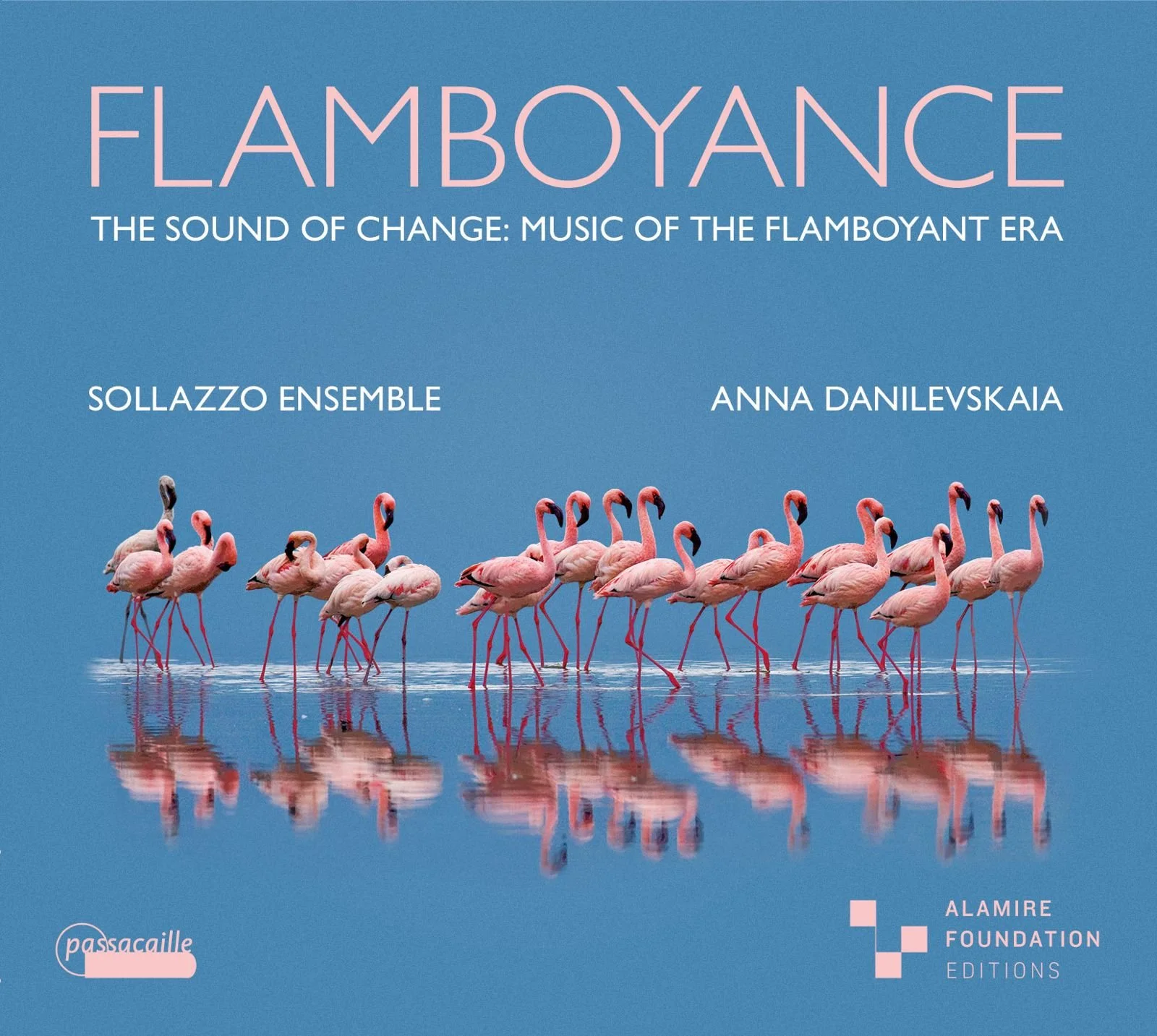
Flamboyance. The sound of change music of the flamboyant era
An incandescent journey through the shifting musical landscapes of the late Middle Ages and early Renaissance, where fire, movement and transformation resonate through every voice.
A vibrant and deeply expressive interpretation of a repertoire suspended between worlds.
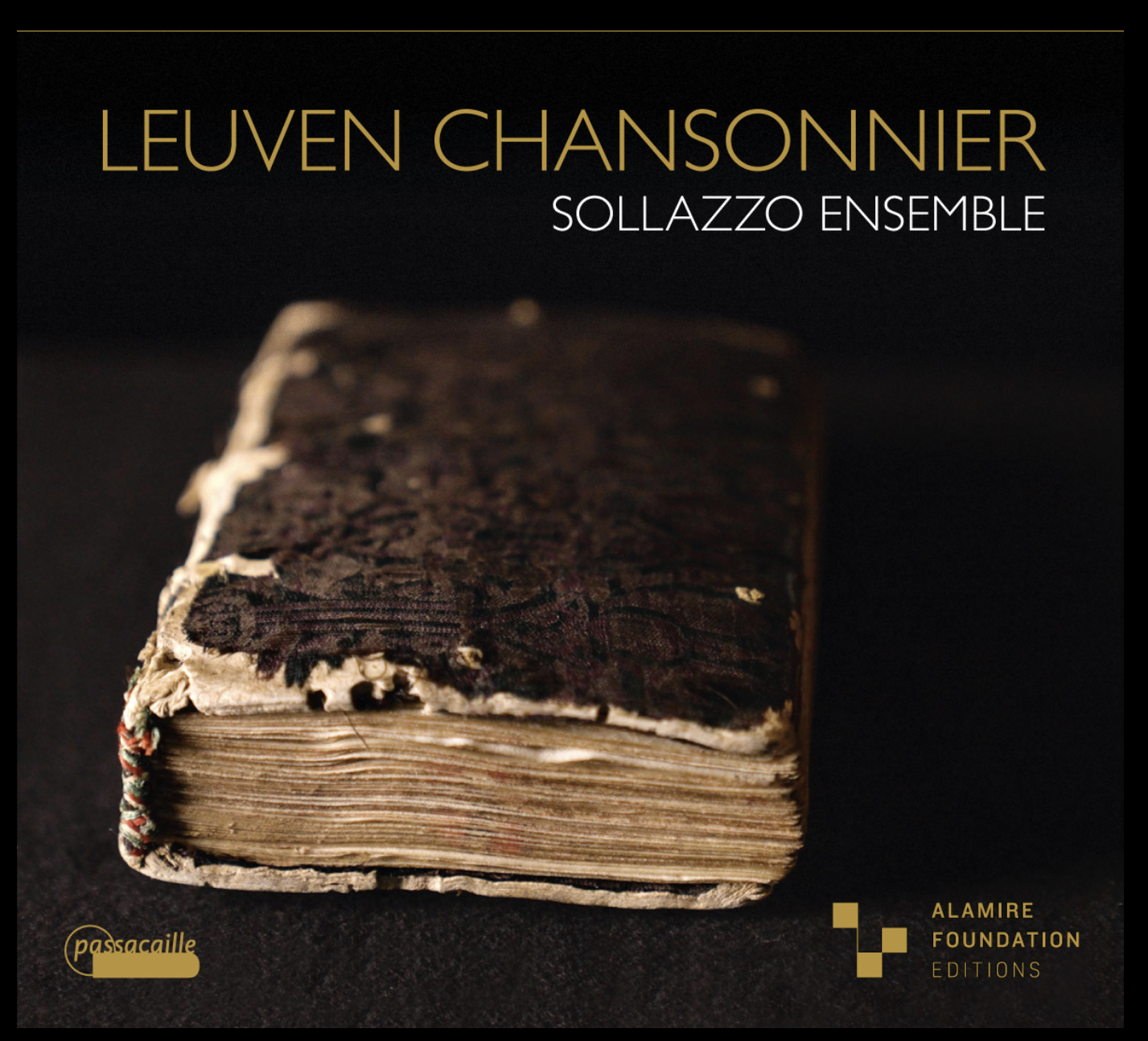
Leuven Chansonnier. Complete Box
“Magistral et déjà historique.”
- Crescendo Magazine
“The Sollazzo Ensemble brings these works vividly to life, distinguished by fresh, incisive music-making.”
- The Association of German Record Critics

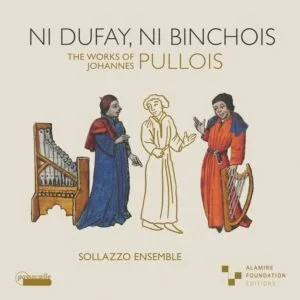
Ni Dufay, Ni Binchois. The Works of Johannes Pullois.
“Sollazzo nous offre ici bien plus qu’un simple hommage à un compositeur oublié: une relecture vivante qui rend enfin à Pullois la place qu’il mérite.”
- Diapason Magazine



Feast of the Swan: Den Bosch Choirbook vol. 4
"The music seems to have a spontaneous, almost improvisatory flow. The singers and players seem to be speaking their native musical language, not performing a musicological exercise."
- American Record Guide
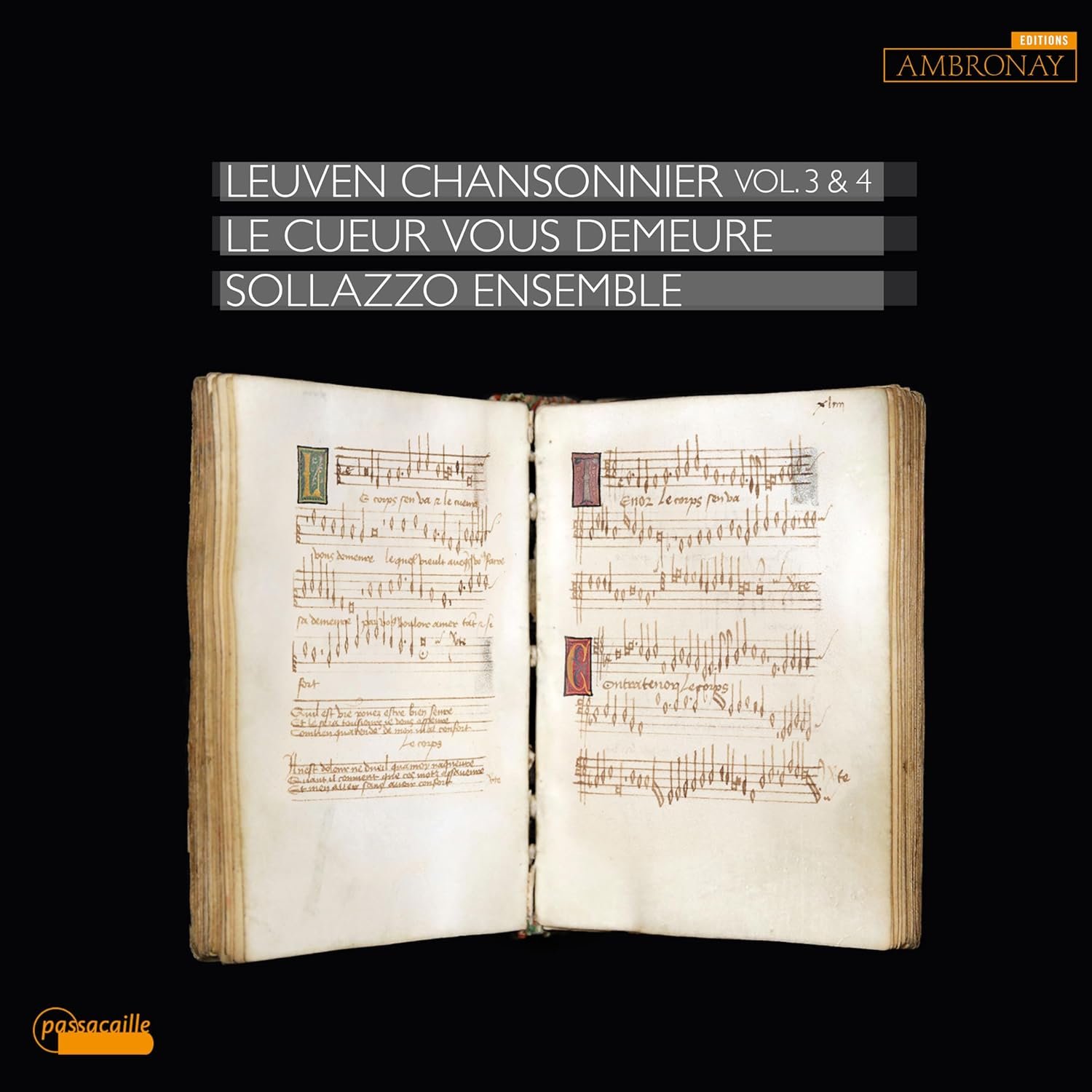
Le cueur vous demeure: Leuven Chansonnier vols. 3 & 4
“L’Ensemble Sollazzo nous aura offert de ce manuscrit richement enluminé une lecture passionnante, fraîche, variée, éclatante, osée mais convaincante.”
- ClicMag

Ou beau chastel: Leuven Chansonnier, vol. 2
"With refinement in every gesture and without any trace of aloofness, the potentially museological chansons are brought back to life as songs in which hearts are audibly creaking and sweet words melt even the most frigid paramour."
- Fono Forum

Leuven Chansonnier
“The Leuven Chansonnier (1470-75) includes fifty compositions by leading 15th-century Franco-Flemish names as Johannes Ockeghem, Antoine Busnoys, and Firminus Caron but also twelve newly re-discovered works, found in no other source! The Ensemble Sollazzo brings a selection of this music to life in the present recording in the most refreshing and brilliant interpretation.”
- Passacaille

Firenze 1350: A Medieval Florentine Garden
“Florence, second half of the 14th century: in the heart of a city in full humanist and cultural seething, composers such as Francesco degli Organi and Paolo Da Firenze brought the music of their time to its peak. A unique abundance that Sollazzo Ensemble invites us to discover with this new disc!”
- Passacaille


En Seumeillant: Dreams and visions in the Middle Ages
“Sollazzo ensemble approaches with stylistic rigor and communicative passion the vast and little-played repertoire of late-medieval music. From the most innocent reverie to drunken songs and mysticism, the program of this first disc for Ambronay Éditions paints a varied picture of the journey through mind and spirit, as found in the musical repertoire of the Middle Ages.”
- Ambronay Éditions

Parle qui Veut: Moralizing Songs of the Middle Ages
“Sollazzo Ensemble makes its recording debut following its prize-winning performance at the highly respected biennial York Early Music International Young Artists Competition. On Parle qui veut the performers embrace the exuberant style of flourishing melodies which was fashionable in the north of Italy in the fourteenth century. In contrast, a different kind of expressivity is required for the sober and succinct aesthetic of the works with French provenance. A remarkable debut!”
- Ambronay Éditions


MEDIA
MEDIA
La famboyance - Utrecht Early Music Festival
Po’che veder non posso - anon.
PAST EVENTS
PAST EVENTS
“Ces charmants virtuoses respirent le bonheur de jouer et de chanter!”
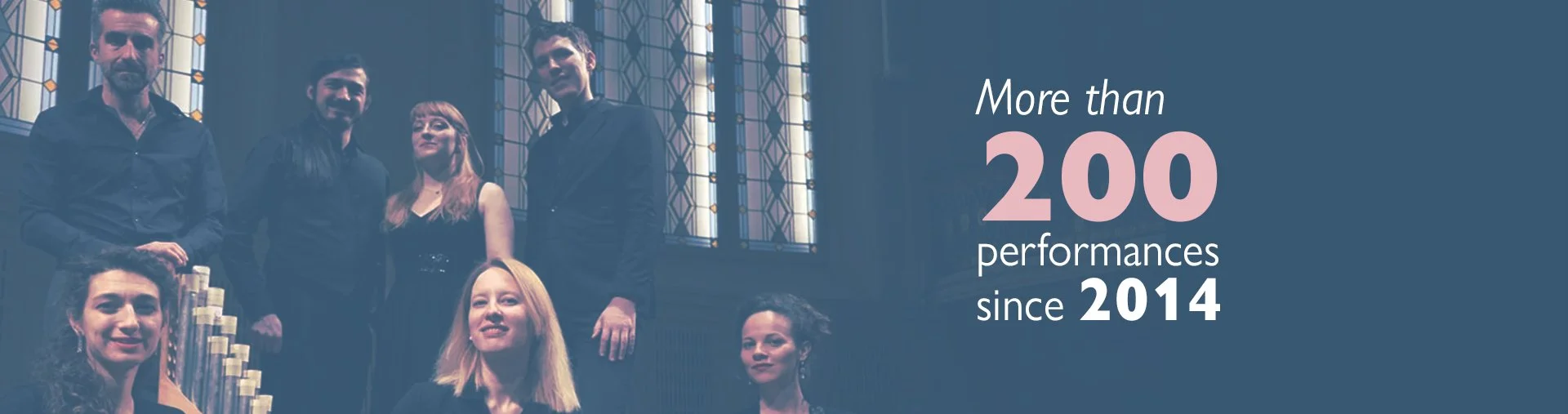
Since 2014, Sollazzo has performed over 200 times worldwide, including concerts in Antwerpen, Utrecht, Boston, Tokyo, Bruges, Ambronay…
CONTACT US!
CONTACT US!
DIRECTION ARTISTIQUE
Anna Danilevskaia :
+33 641 42 77 19
anna.danilevskaia@gmail.com
![Leibovici-Lior-11[Oct2015].jpg](https://images.squarespace-cdn.com/content/v1/5797b8d837c581291b7a04b2/1772980464748-YK53RTMNLYYRJNUED0T7/Leibovici-Lior-11%5BOct2015%5D.jpg)
PRODUCTION
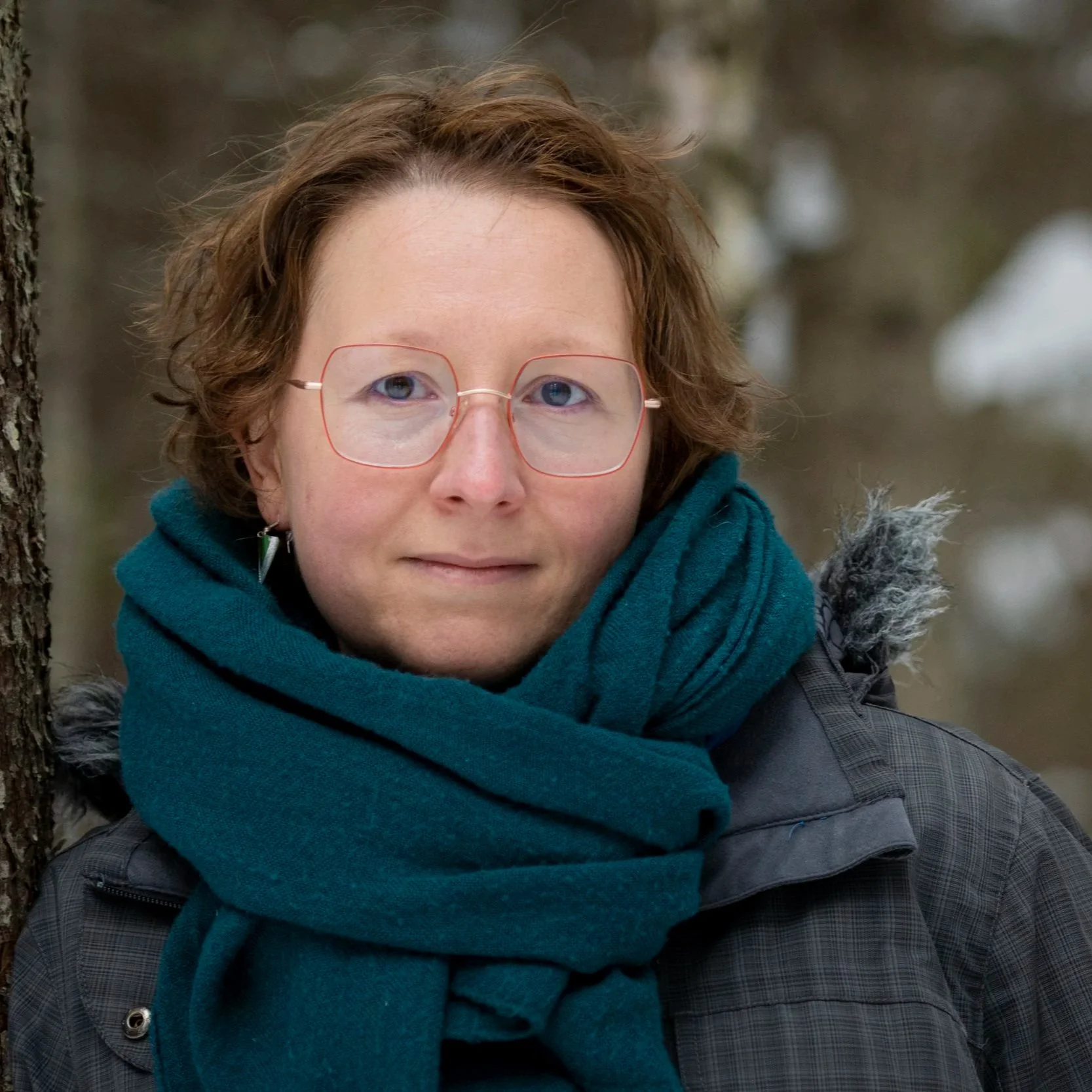
Lior Leibovici :
+33 6 65 25 11 44
sollazzo.production@gmail.com
ADMINISTRATION
Blandine Gaillard :
+33 789 73 21 59
sollazzo.adm@gmail.com